The Window Over the Sewing Machine
- Robin Crane
- Jun 12
- 3 min read

Chapter 8
The porthole window above my mother’s sewing machine held either sunlight or moonlight. It seemed to depend on the shade of her mood. Her sewing machine took on the personality of a horse. When she was happy, it clipped along in the sunlight, and when it paused, her scissors click-clacked, snipping the thread. Other times she pressed the floor pedal all the way down, and the machine vibrated so hard its table banged against the wall beneath the window.
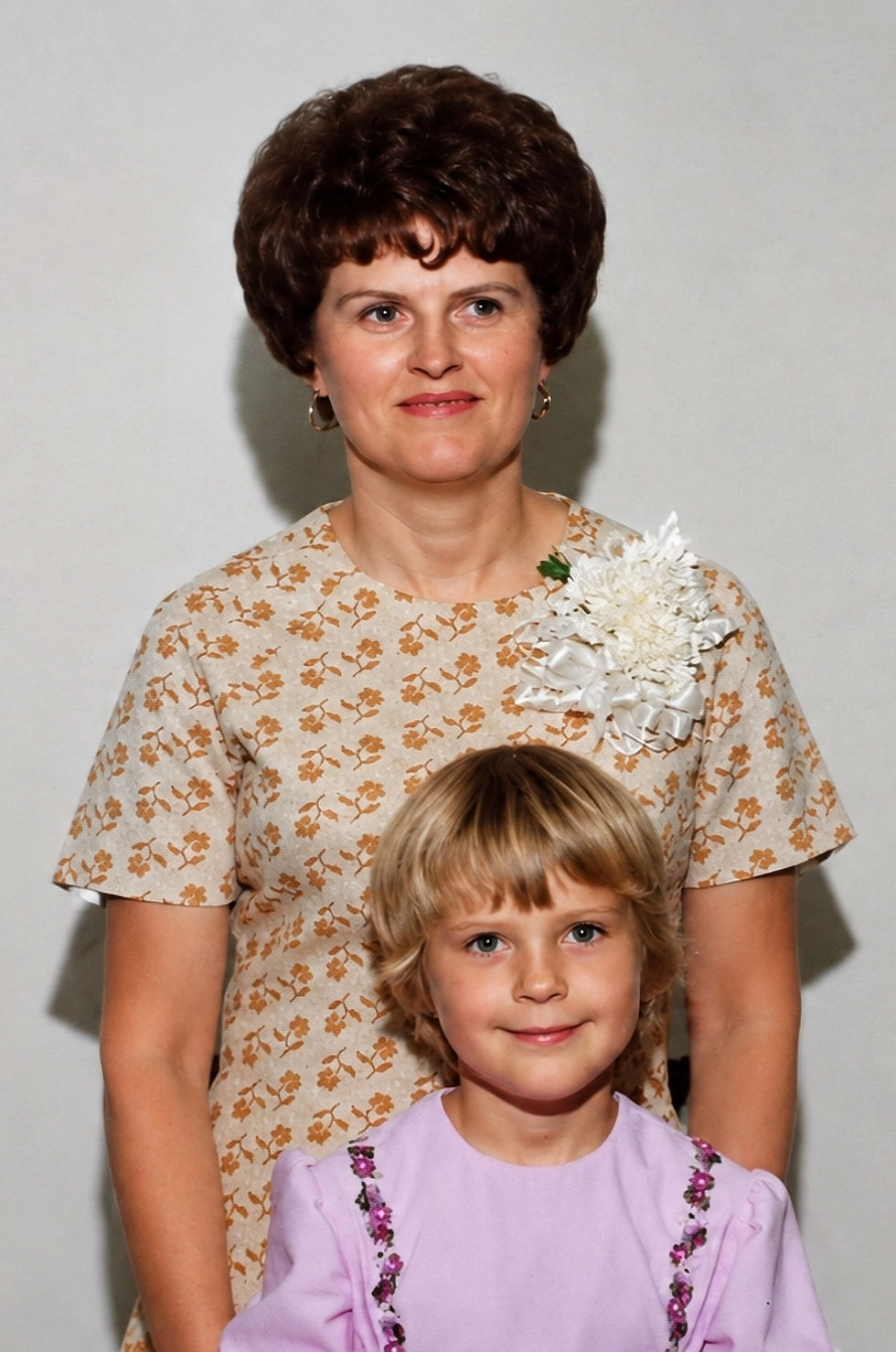
The space beneath the table was tight, but that’s where I crawled. I played there when I was small, and later curled up with books while my mother sewed above me. I stayed clear of her feet and the pedal while the needle rose and fell overhead. Fabric scraps fell like molted feathers around me.
Sometimes my mother let her machine rest. At those times, her shoulders pulled forward and shook as she stared out the window. Eventually her posture settled, and she turned her attention back to the fabric.
She could spring up from her chair without warning, the chair legs scraping against the floor. She might hurry downstairs to fold laundry or chase after some forgotten tasks. To keep up with her, I had to be ready to move, so I kept my toys in a worn cardboard shoebox. I chose small toys like my Sweet April doll, with her tiny hairbrush, bottle, and swing set that fit inside the box. Mother had designed tiny clothes for her that matched my own.
When making clothes for me, she liked having me nearby so she could custom-fit each piece. I would ouch and whine as straight pins pricked my skin when she slipped a garment over my head. More pins rested between her teeth while she inspected her craft. Her steady eyes showed no concern for my complaining.
One particular day, I was crawling around on the floor beneath her sewing machine when a needle slipped into the top of my foot. It burned. I sat up and looked, but all I could see was the thread hanging from my skin. I froze, staring while the machine clattered above me. I didn’t call for her. I just cried.
My mother looked down at me. She leaned forward, pinched the skin on my foot, and pulled the needle free in one quick motion. Fire shot through my foot. My cry broke loose, ragged against the steady rhythm of the room.
There was no kissing of boo-boos—at least not over a needle, not in this house. If it bled, I got a band-aid, but that was all. She told me we were tough old birds, and birds don’t cry.
The stitches marched across the fabric in straight rows. If one wandered, she stopped, pulled the seam apart, and started over. Every piece was carefully steam-pressed with her iron.
Like her sewing horse, her iron was a smaller, more impatient thing—snorting steam in quick bursts as she ran it over hems and cuffs. The room always held the smell of warm fabric, like a freshly laundered blanket pulled from the dryer.
So much time passed without a snack or even a drink of water. Her posture remained ramrod straight for hours. When she paused, she massaged her own neck. When a thread tangled or a needle snapped, the muscles around her eyes tightened first, then her cheeks flushed red. Her jaw locked, and a long, low growl came out of her — “Aww, come on now”—hissed through clenched teeth.
Each article that passed her inspection appeared on me the next day. Those clothes never twisted; the hems fell straight, and the fabric carried a weight store-bought clothes never had. Tiny stitches, neat as handwriting, spelled my name inside the collar or marked my initials on a cuff.
For years, she sewed under the porthole window at night while the house slept, squinting at hems and seams, until I grew old enough to beg for store-bought jeans and shirts with familiar labels stitched across the pockets. After that, the horse beneath the porthole window stood still more often than not.
Comments